Designing with Care: A Family Home Shaped by Landscape, Routine and Neurodiverse Needs
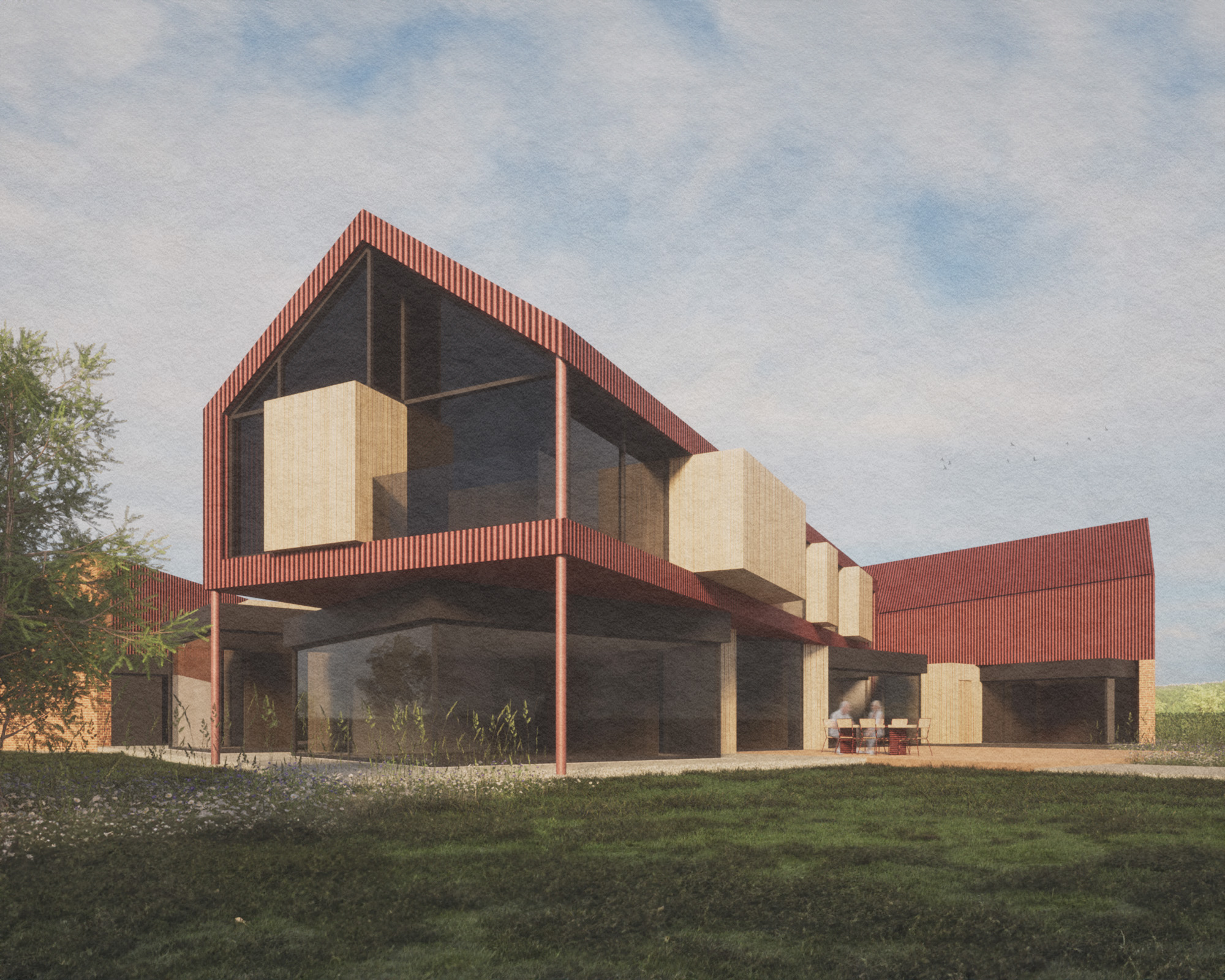
Set within the rolling landscape of rural Warwickshire, this new home has been shaped by the ASPECTSS™ Design Index—a pioneering framework for creating built environments that support individuals with autism. Every aspect of the design has been tailored to balance stimulation and calm, privacy and connection. Spaces have been carefully sequenced to align with the family’s daily rhythms, while distinct sensory zones—both inside and out—provide opportunities for focus, play, rest, and retreat. The house is deeply connected to the landscape, with key rooms oriented toward curated views and outdoor zones that reflect their internal purpose. Working gardens, private courtyards, and buffer zones enhance the sense of calm and continuity throughout the home.
Acoustics, Spatial Sequencing, Escape, Compartmentalisation, Transition, Sensory zoning, and Safety
ASPECTSS
a Conscientious design layout
The Autism ASPECTSS™ Design Index is the first set of evidence based design guidelines worldwide to address built environments for individuals with Autism Spectrum Disorder. It was developed over a decade of research and is comprised of seven criteria proposed to be facilitative for ASD design. It is used as both an assessment and design development tool. This Design Index has been used to guide the layout of the home, ensuring a supportive and thoughtful environment tailored to the needs of the clients.
Plan
Ground Floor